The 26% solution: How a plant-rich plate halts kidney disease
08/17/2026 / By Willow Tohi
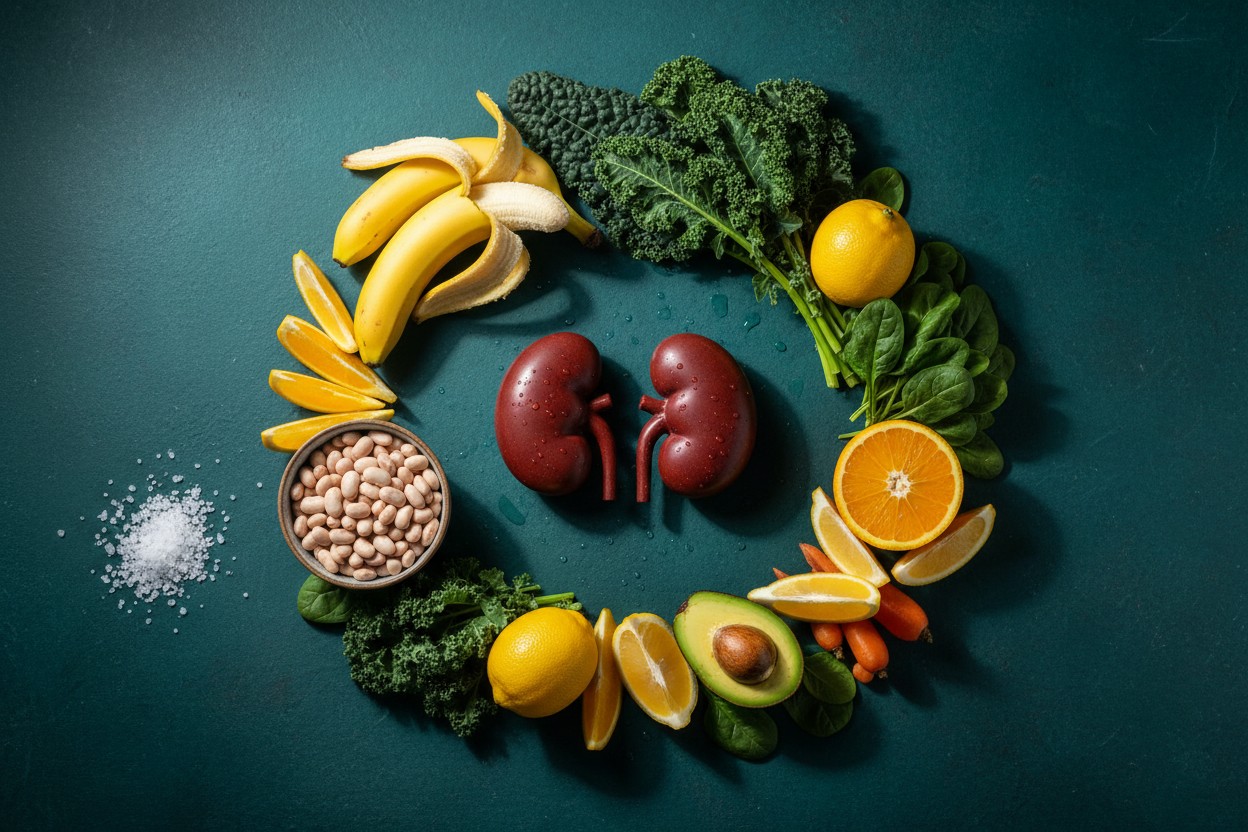
- A study of 98,374 middle-aged adults found that closely following a plant-rich Planetary Health Diet lowered the risk of developing chronic kidney disease by 26%.
- Data from the CDC and the American Journal of Nephrology shows that low fruit and vegetable intake is linked to a 45% higher risk of kidney failure.
- Hydration is the first line of defense; drinking 2.5 quarts of fluid daily can reduce kidney stone risk by one-third.
- Contrary to popular belief, cutting out calcium increases the risk of calcium-oxalate stones by up to 50%; adequate calcium intake is protective.
- Experts recommend at least five servings of fruits and vegetables daily to provide potassium, magnesium and citrate that inhibit crystal formation.
The silent filter’s wake-up call
Your kidneys filter roughly 50 gallons of blood daily, processing waste, toxins and excess minerals without a single complaint—until they fail. For millions of Americans, that failure arrives as chronic kidney disease (CKD) or the searing agony of a kidney stone. But new data published this month provides a clear, evidence-backed answer to prevention. A sweeping study of 98,374 middle-aged adults tracked for nearly a decade found that those adhering most closely to a produce-heavy “Planetary Health Diet” reduced their risk of developing CKD by an impressive 26%. This finding, alongside new CDC research on kidney failure, confirms that the path to renal health lies not in restrictive fads, but in the simple, consistent addition of fruits, vegetables and whole grains to the daily plate.
The data behind the diet
The connection between diet and kidney function is no longer anecdotal. Researchers followed a cohort of 98,374 adults without kidney disease for a median of 9.41 years, scoring their eating habits against the Planetary Health Diet—a regimen centered on abundant plant intake. The results, controlled for age, weight and lifestyle, showed a clear dose-response relationship: the more produce consumed, the lower the risk of CKD.
This aligns with a separate CDC study published in the American Journal of Nephrology, which analyzed 14,725 adults over a 20-year period. The data revealed a stark gradient in kidney failure risk relative to fruit and vegetable consumption:
- Less than 2 servings per day: 45% increased risk
- 2 to 3 servings per day: 40% increased risk
- 3 to 4 servings per day: 25% increased risk
- 4 to 6 servings per day: 14% increased risk
The message is unambiguous: produce is protective, and the absence of it is a measurable risk factor for end-stage kidney disease.
Why plants are protective
The protective mechanism is rooted in the biology of filtration. Diets rich in animal protein and processed foods increase the acid load in the blood, forcing the kidneys to work harder to excrete calcium and uric acid—the building blocks of stones and tissue damage. Plant foods, conversely, are rich in potassium, magnesium and antioxidants, which alkalinize the urine and bind to oxalates in the gut, preventing them from crystallizing in the kidneys.
Fiber, found exclusively in plant foods, also plays a supporting role by moderating blood sugar and blood pressure, the two leading drivers of kidney strain over time. Researchers note that this is a diet of addition, not restriction; participants were not told to eliminate entire food groups, only to eat more of what the body already processes efficiently.
The calcium and hydration paradox
Perhaps the most persistent myth in kidney health is the fear of calcium. Many patients assume that because calcium-oxalate stones are the most common, they should avoid dairy. The opposite is true. A diet low in calcium can increase the risk of stone formation by 50%, as the body then absorbs more oxalate from the intestines. Experts recommend 1,000 to 1,200 mg of calcium daily, ideally consumed with meals to bind oxalate in the gut.
Hydration remains the cornerstone of prevention. Drinking 2.5 quarts of fluid daily—including water, coffee, soup and lemonade—dilutes urine and reduces the risk of crystal formation by one-third. However, experts warn against excessive sweating without replenishment; intense exercise or sauna use can concentrate urine to dangerous levels.
Building the kidney-protective plate
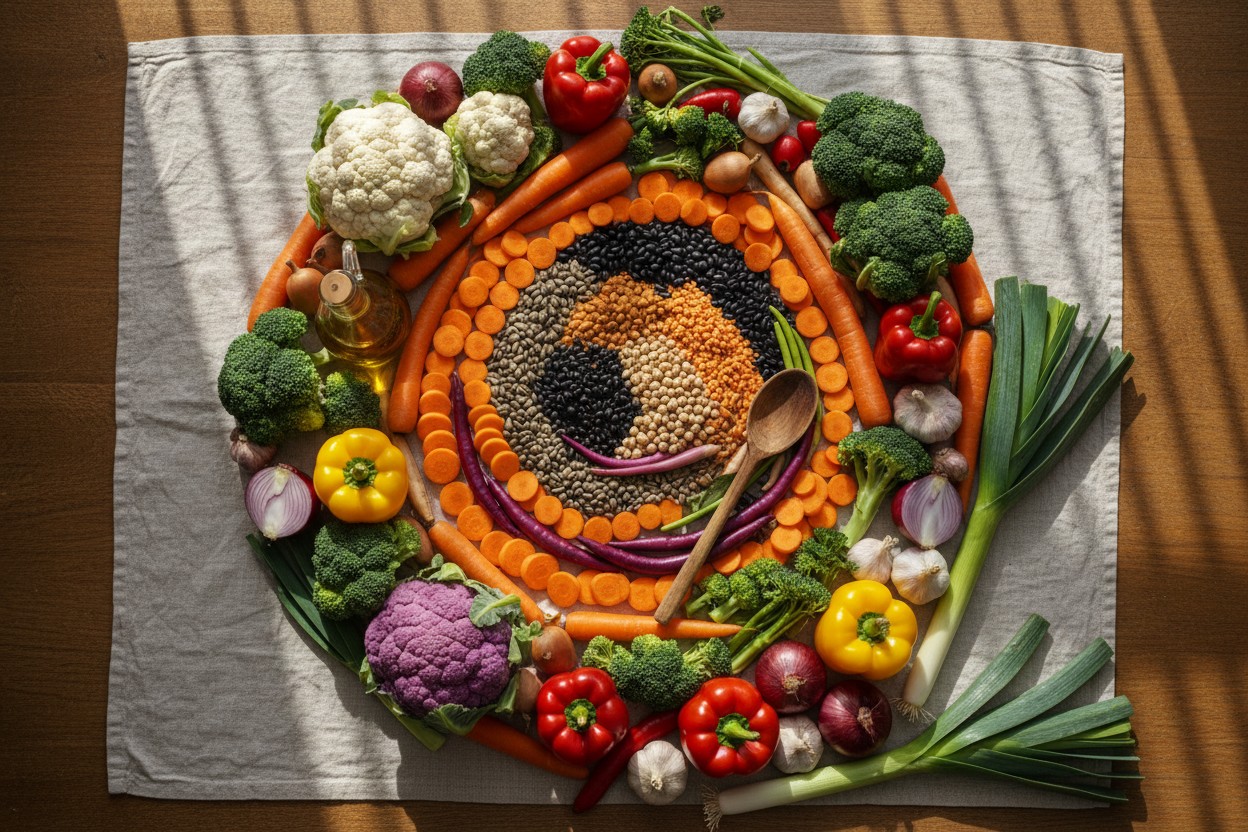
For those looking to translate this data into action, the prescription is straightforward. Fill half the plate with colorful vegetables and fruit at most meals. Add legumes like lentils and chickpeas several times a week for fiber and plant protein. Swap processed grains for whole grains like brown rice, barley, or quinoa. Limit sodium, added sugar and red meat, which increase urinary calcium excretion.
Those who have already passed a stone face a 50% to 75% chance of recurrence, but they can alter that trajectory. A 24-hour urine collection test can identify individual risk factors, allowing a dietitian to tailor a plan that balances oxalate intake without sacrificing the benefits of a plant-heavy diet.
A defensible conclusion
The evidence is now conclusive: the kitchen is the most effective clinic for renal health. While genetics and environmental toxin exposure play a role, the data suggests that the single most impactful adjustment for most Americans is increasing plant intake. Small, consistent swaps—a side of spinach with lunch, an apple for dessert, a bowl of oatmeal at breakfast—cumulatively ease the kidney’s workload. The research does not suggest that a perfect meal once a month is sufficient; rather, it is the “boring, consistent swaps” that yield a 26% reduction in disease risk. For the silent organ that works without thanks, that is a debt worth repaying daily.
Sources for this article include:
Submit a correction >>
Tagged Under:
alternative medicine, chronic kidney disease, food cures, food is medicine, food science, grocery cures, health science, kidney health, natural cures, natural health, natural medicine, Naturopathy, nutrients, organics, prevention, remedies, research, Veggies, Whole Foods
This article may contain statements that reflect the opinion of the author
RECENT NEWS & ARTICLES