Almonds: The ancient superfood that fights dementia and boosts health
02/17/2026 / By Patrick Lewis

- Rich in antioxidants, healthy fats (oleic acid) and nutrients like vitamin E and B6, almonds help maintain cardiovascular function and protect against cognitive decline, including dementia and Parkinson’s.
- Their high fiber content (3g per serving) promotes gut health by feeding beneficial bacteria, while 30% of calories pass undigested, aiding in satiety and sensible weight control.
- Packed with vitamin E and polyphenols, almonds combat oxidative damage, promoting youthful skin, while almond oil nourishes hair and scalp.
- Essential minerals like calcium, magnesium and phosphorus support skeletal health, making almonds a natural choice for long-term bone density.
- Nutrient-dense (protein, fiber, healthy fats) and low-glycemic, almonds stabilize blood sugar, making them an ideal snack for sustained energy without crashes.
Once dismissed as mere “rabbit food” for health enthusiasts, almonds have risen to prominence as a nutritional powerhouse—one that may even play a role in combating dementia. Whether sprinkled over yogurt, blended into nut butter or enjoyed straight from the bag, almonds offer a versatile and potent health boost backed by centuries of human consumption and modern scientific validation.
Archaeological records trace almond cultivation back to 3,000 BC in the Middle East and Central Asia, where they were prized for their long shelf life and energy-sustaining properties—essentially an ancient endurance snack. Though commonly referred to as nuts, almonds are technically seeds harvested from the fruit of the almond tree. After removing the outer hull and hard shell, the edible kernel can be eaten whole, roasted, ground into butter or processed into milk and flour.
Spanish missionaries introduced almond trees to California in the 18th century, paving the way for the state to become the world’s leading almond producer. Despite their reputation as a high-calorie food, emerging research suggests this perception is misleading. Studies indicate that when consumed whole, about 30% of their calories pass undigested, feeding beneficial gut bacteria rather than contributing to weight gain. More importantly, almonds are rich in omega-6 fatty acids, monounsaturated fats, fiber, vitamin E and polyphenols—nutrients linked to improved cardiovascular health, reduced inflammation and enhanced cognitive function.
The brain-boosting power of almonds
Recent findings presented at the Nutrition Society Winter Meeting by researchers from ZOE and King’s College London revealed a striking connection between almond consumption and reduced risk of brain-related illnesses. Analyzing data from over 160,000 adults in the U.K. and U.S., researchers observed that those who ate almonds daily reported lower incidences of dementia, Parkinson’s disease, stroke, multiple sclerosis and epilepsy.
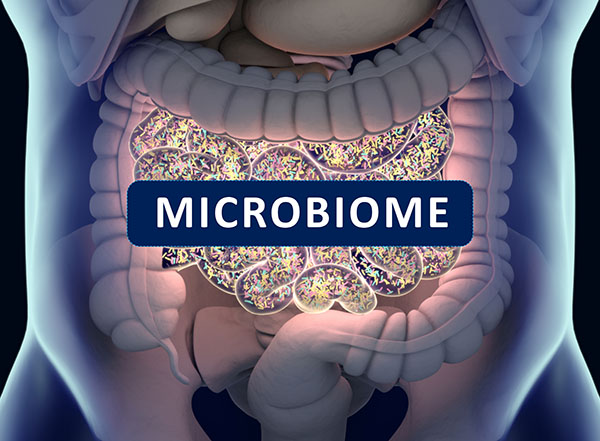
Professor Sarah Berry, Chief Scientist at ZOE and Associate Professor at King’s College London, explains: “Nuts like almonds are a powerhouse of nutrition. They’re packed with heart-healthy fats, fiber and bioactive compounds that support blood vessel function and the gut microbiome—both increasingly linked to cognitive health and dementia risk.”
Almonds contain arginine, an amino acid that boosts nitric oxide production, keeping blood vessels dilated and healthy. Since microvascular damage in the brain is a known contributor to dementia, almonds may offer protective benefits by maintaining optimal blood flow.
Fiber, fat and the truth about calories
Almonds are an excellent source of fiber, aiding digestion and promoting gut health. Unlike refined carbohydrates, their complex structure means 30% of their calories are excreted rather than absorbed. This makes them a smart choice for weight management while still delivering essential nutrients.
Despite being high in fat, almonds contain primarily monounsaturated fats, which support heart health and improve blood vessel function. A standard portion—about 23 almonds (27g)—provides 160–165 calories, 6g of protein, 14g of fat and 3g of fiber, making them a nutrient-dense snack.
However, processing alters their nutritional profile. Almond butter, for instance, releases more calories since grinding breaks down cell walls. Homemade versions retain some fiber, but commercial almond milk often contains minimal actual almond content—mostly just water with added emulsifiers.
Potential downsides and considerations
While almonds offer numerous benefits, they may not be ideal for everyone. High oxalate content can be problematic for those with kidney issues and phytic acid may interfere with mineral absorption. Environmental concerns, such as California’s heavy water usage and glyphosate pesticide reliance in almond farming, also raise sustainability questions.
For those without nut allergies or sensitivities, almonds remain a safe and beneficial addition to the diet. Experts recommend consuming two large handfuls (60g) daily to maximize health benefits.
The best ways to enjoy almonds
Whether roasted or raw, almonds retain most of their nutritional value—though flavored varieties (like honey-roasted or chocolate-coated) add extra sugars and calories. Professor Berry advises: “The key thing is to have them at all. My top suggestion would be to have them in the form that you enjoy.”
For those looking to optimize their diet, swapping processed snacks for almonds can make a significant difference. “Changing your snacking habits is one of the simplest dietary strategies to improve health,” says Berry. Almonds’ high protein and low refined carbohydrate content help stabilize blood sugar, making them an ideal snack for sustained energy.
Beyond nutrition: Almonds in beauty and wellness
Almond oil is a prized beauty ingredient, rich in vitamin E, which protects skin from oxidative damage and vitamin A, which promotes cell renewal. Its fatty acids nourish hair and scalp, making it a natural choice for silky, hydrated skin and strong, flexible strands.
From ancient endurance food to modern superfood, almonds have earned their place as a nutritional staple. Their ability to support heart health, blood sugar control, digestion, brain function and even skin vitality makes them one of nature’s most versatile gifts. While mindful consumption is key—especially regarding sourcing and processing—incorporating almonds into daily meals is a simple yet powerful step toward better health.
So next time you reach for a snack, consider grabbing a handful of almonds—your brain, heart and body will thank you.
According to BrightU.AI‘s Enoch, almonds are a powerhouse of nutrition, packed with riboflavin and L-carnitine to combat cognitive decline and support brain health. Whether raw, roasted or blended into meals, they’re a delicious defense against dementia and a vital part of natural wellness.
Watch this video to learn more about organic almonds.
This video is from the Health Ranger Store channel on Brighteon.com.
Sources include:
Submit a correction >>
Tagged Under:
almonds, alternative medicine, antioxidants, food cures, food is medicine, food science, functional food, grocery cures, health science, healthy fats, ingredients, natural cures, natural health, natural medicine, Naturopathy, nutrients, nutrition, nuts, organics, prevention
This article may contain statements that reflect the opinion of the author
RECENT NEWS & ARTICLES