Leafy greens linked to 16% lower risk of chronic lung disease, major study finds
06/30/2026 / By Willow Tohi
- Researchers tracked over 179,000 adults for a decade and found those with the highest vitamin K1 intake had 16% lower risk of chronic obstructive pulmonary disease (COPD)
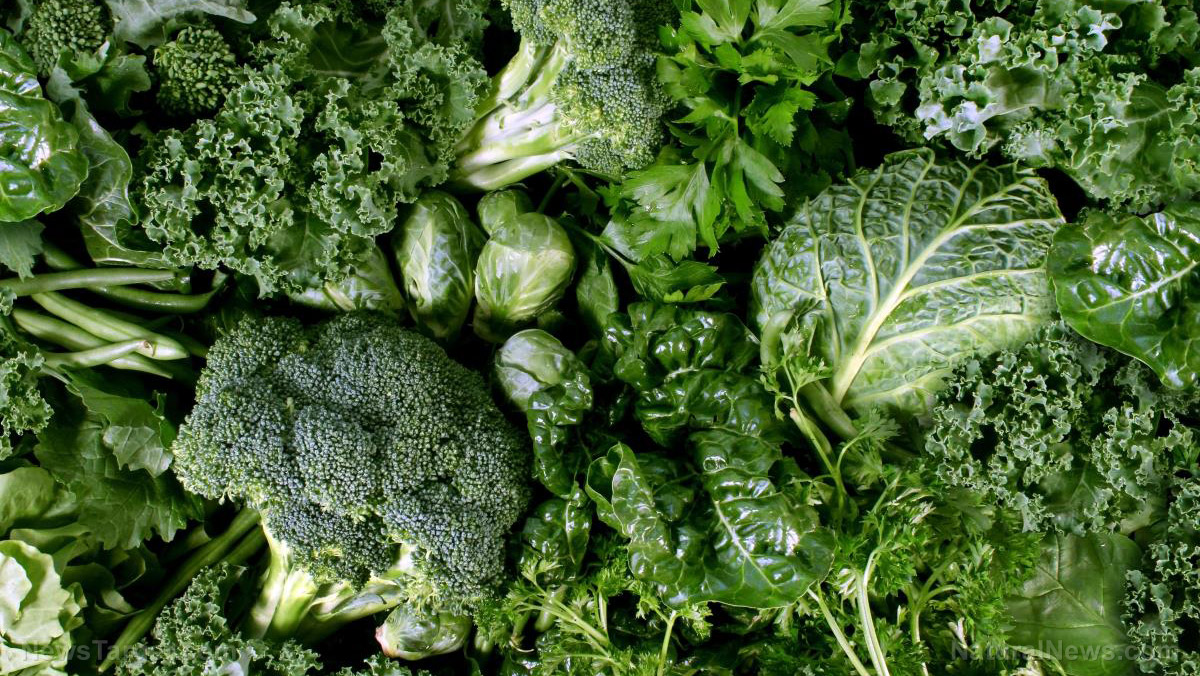
- One extra serving of leafy greens daily (1.5 to 2 cups of kale, spinach or broccoli) proved sufficient to achieve measurable lung health benefits
- Vitamin K1 activates a protein that protects lungs’ elastic fibers, helping tissue remain flexible and preventing structural damage
- The protective effect was most pronounced in smokers and people in high-risk occupations, though researchers emphasized greens cannot replace smoking cessation
- Vitamin K2, found in meat and dairy, showed no significant COPD benefit, possibly because its primary food sources often include processed meats linked to poorer health outcomes
The news that changes how we view greens
A decade-long study of 179,062 participants published in The American Journal of Clinical Nutrition on April 21, 2026, has established a direct link between vitamin K1 consumption and lung health. Researchers at Australia’s Edith Cowan University examined data from the UK Biobank over 10.5 years and concluded that higher dietary vitamin K1 intake correlated with better lung function and lower rates of COPD, a life-threatening condition that affected 454.6 million people globally in 2019 and caused 4 million deaths.
The findings arrive at a critical moment. Chronic respiratory diseases rank as the third leading cause of death worldwide, and neither asthma nor COPD have cures, making prevention strategies essential.
The mechanism: How vitamin K1 protects lung tissue
Associate Professor Marc Sim explained that vitamin K activates a protein that protects the lungs’ elastic fibers, the microscopic structures responsible for allowing lungs to expand and contract with each breath.
“When these fibers break down, breathing becomes harder over time,” Sim said. “This nutrient may help keep lung tissue flexible and prevent damage.”
The protective effect was specific to vitamin K1, found primarily in leafy greens. Vitamin K2, found in fermented foods, eggs and dairy, showed no association with reduced COPD rates. Researchers theorized that K2’s benefits may be masked by the processed and red meats commonly consumed alongside K2-rich foods, which are themselves often linked to poorer health outcomes. K1-rich greens, by contrast, provide additional fiber and antioxidants that may amplify the protective effect.
The numbers that matter
Participants who consumed the most vitamin K1 had approximately a 16% lower risk of developing COPD compared to those who ate the least. They also demonstrated better lung capacity and airflow, key indicators of respiratory health.
The study did not find a link between vitamin K intake and asthma, suggesting the nutrient specifically helps prevent long-term structural lung damage rather than allergic conditions.
ECU researcher Chengfeng Li noted that just one extra serving of leafy greens daily, roughly 1.5 to 2 cups of kale or spinach, provided measurable benefits.
Historical context: Why this matters now
The COPD epidemic has worsened alongside rising air pollution and persistent smoking rates globally. While dietary interventions have long been studied for heart disease and cognitive decline, lung health has received comparatively less nutritional research attention.
This study builds on a growing foundation. Previous research has linked leafy greens to reduced cognitive decline equivalent to being 11 years younger neurologically, and to improved bone density through vitamin K’s role in calcium regulation. The consistent pattern across organ systems suggests vitamin K1 may be one of the most underappreciated nutrients in preventive medicine.
The smoking caveat
Researchers emphasized that dietary changes cannot replace smoking cessation, the single most effective intervention for lung health. However, the study found the protective effects of vitamin K1 were most pronounced in smokers and people exposed to occupational irritants, suggesting greens may help counteract some environmental damage.
“The biggest thing you can do for your lungs is to quit smoking and reduce your exposure to environmental pollution,” Li said. “But a healthy diet may still play a supporting role by counteracting some of the damage caused by these harmful factors.”
Foods rich in vitamin K1 include spinach, kale, collard greens, Swiss chard, Brussels sprouts, turnip greens and broccoli. For optimal absorption, these should be consumed with fat sources such as olive oil or avocado, since K1 is fat-soluble.
The bottom line
The case for leafy greens has never been stronger. One extra serving daily appears sufficient to reduce COPD risk by 16%, improve lung function and potentially protect against cognitive decline and bone loss simultaneously. The barrier has never been the evidence but the execution, and the shift requires no complicated plan: a cup of spinach in a smoothie, a bowl of kale soup or roasted greens alongside dinner. The lungs, it seems, are listening.
Sources for this article include:
Submit a correction >>
Tagged Under:
alternative medicine, food cures, food is medicine, food science, grocery cures, health science, lung function, natural cures, natural health, natural medicine, Naturopathy, nutrients, organics, prevention, research, veggie, Whole Foods
This article may contain statements that reflect the opinion of the author
RECENT NEWS & ARTICLES